Hair loss can affect your confidence, appearance, and even the way you feel about yourself. If you’re considering a hair transplant, one of the biggest questions you probably have is, “What kind of hair transplant results can I expect?”
The good news is that modern hair transplant procedures can deliver natural-looking and long-lasting results when performed by experienced specialists. However, it’s important to understand that hair restoration is a gradual process. New hair doesn’t grow overnight, and every patient’s journey is different.
At Soul Aesthetic, we focus on creating personalized treatment plans that suit your hair loss pattern, donor hair quality, and long-term goals. Our specialists use advanced techniques to design a natural hairline while helping you achieve healthy, realistic, and lasting hair transplant results.
In this guide, we’ll explain how long it takes to see results, what factors affect your outcome, and what you can do to achieve the best possible hair restoration.
What Are Hair Transplant Results?
Hair transplant results refer to the gradual improvement in hair growth, density, and hairline appearance after a hair transplant procedure. These results develop over several months as the transplanted hair follicles settle into their new location and begin producing healthy hair.
Many people expect to leave the clinic with a full head of hair immediately after surgery. In reality, the visible transformation takes time. During the first few weeks, it’s completely normal for the transplanted hair to shed before new hair starts growing.
At Soul Aesthetic, we educate every patient about the recovery process before treatment. Understanding the hair growth timeline helps you stay patient and confident while your new hair develops naturally.
Successful hair transplant results are not measured only by hair density. A well-planned treatment also creates:
- A natural-looking hairline
- Balanced facial appearance
- Improved hair density
- Better confidence
- Long-lasting hair growth
The goal is to restore your hair in a way that looks natural rather than making it obvious that you’ve had a procedure.
How Long After a Hair Transplant Will You See Results?
This is one of the most common questions patients ask before treatment.
The answer is simple:
Most patients begin noticing new hair growth after 3 to 4 months, while the final hair transplant results usually become visible between 12 and 18 months.
Although this timeline may seem long, every stage of recovery is an important part of the hair restoration process.
Let’s understand what happens during each phase.
First Week
The first week focuses on healing.
During this period, you may experience:
- Mild redness
- Small scabs around the transplanted follicles
- Slight swelling
- Mild tenderness
These symptoms are usually temporary and improve gradually.
Following your specialist’s aftercare instructions is very important during this stage because the transplanted grafts are still settling into their new position.
Weeks 2 to 4
Around two to four weeks after surgery, many patients notice that the transplanted hair begins to fall out.
This often causes unnecessary concern, but it is completely normal.
This stage is called shock loss.
The hair strands shed, but the transplanted follicles remain healthy beneath the skin. These follicles enter a resting phase before beginning a new growth cycle.
Experiencing shock loss does not mean your hair transplant has failed.
If you would like to understand more about temporary shedding and the recovery process, read our guide on Hair Transplant Side Effects.
3 to 4 Months
This is when patients usually begin noticing encouraging changes.
The transplanted follicles gradually start producing new hair.
Initially, the hair may appear:
- Thin
- Soft
- Fine
- Light in color
This is completely normal.
As time passes, the hair gradually becomes thicker and stronger.
Although you may notice early improvements, this is still only the beginning of your hair restoration journey.
6 to 9 Months
Between six and nine months, the improvement becomes much more noticeable.
During this stage, patients often experience:
- Increased hair density
- Thicker hair shafts
- Better hairline definition
- Improved overall appearance
Many patients feel much more confident during this period because friends and family begin noticing the natural improvement.
However, the hair is still maturing.
12 to 18 Months
This is when the final hair transplant results usually become visible.
By now, the transplanted hair has fully matured and blends naturally with your existing hair.
Most patients notice:
- Natural hair growth
- Improved scalp coverage
- Better hair density
- Stronger hair texture
- A balanced and youthful hairline
At Soul Aesthetic, our focus is not simply growing hair—it is creating results that look natural and complement your facial features.
Does Hair Transplant 100% Work?
The honest answer is no medical procedure can guarantee 100% success for every patient.
However, modern hair transplant procedures have a high success rate when performed by experienced specialists using proper techniques and when patients follow the recommended aftercare instructions.
The success of a hair transplant depends on several important factors, including:
- Quality of the donor hair
- Hair loss pattern
- Overall scalp health
- Surgeon’s experience
- Number of grafts transplanted
- Healing response
- Following post-operative care
- Lifestyle habits
Healthy donor follicles are one of the biggest reasons why transplanted hair can continue growing for many years.
At Soul Aesthetic, every patient undergoes a detailed consultation before treatment. Instead of offering the same procedure to everyone, our specialists carefully evaluate your scalp, donor area, hair density, and long-term goals before creating a personalized treatment plan.
This customized approach helps maximize the chances of achieving natural-looking hair transplant results while maintaining realistic expectations.
It’s also important to remember that while transplanted hair is generally permanent, your existing non-transplanted hair may continue to thin over time due to genetics or age.
To understand how long transplanted hair typically lasts, read our detailed guide on Is Hair Transplant Permanent?
What Determines Hair Transplant Results?
Many people think that a hair transplant automatically guarantees thick hair. In reality, hair transplant results depend on several important factors. Understanding these factors helps you set realistic expectations and appreciate why treatment planning is so important.
Quality of Donor Hair
The donor area, usually the back and sides of the scalp, provides the hair follicles used during transplantation.
Patients with strong donor density generally achieve better coverage and fuller-looking results. Healthy donor follicles are more likely to survive transplantation and continue growing naturally.
Hair Loss Pattern
Every person experiences hair loss differently.
Some patients have thinning only in the hairline, while others have extensive baldness across the scalp. The extent and pattern of hair loss influence the number of grafts required and the overall outcome.
Planning for future hair loss is essential to maintain a natural appearance over time.
Number of Grafts Transplanted
More grafts can improve coverage, but quality is more important than quantity.
A skilled surgeon places grafts strategically to create natural density and an aesthetically balanced hairline rather than simply implanting the maximum possible number of grafts.
Surgeon’s Expertise
Hair transplantation is both a medical procedure and an artistic treatment.
An experienced specialist understands:
- Hairline design
- Hair direction
- Graft placement
- Facial proportions
- Long-term hair loss progression
This expertise plays a major role in achieving natural-looking hair transplant results.
Age and Genetics
Younger patients may continue losing existing hair over time, while older patients often have a more stable hair loss pattern.
Genetics also influence hair thickness, density, texture, and the long-term behavior of both transplanted and non-transplanted hair.
Lifestyle and Overall Health
Healthy habits support healthier hair growth.
Smoking, poor nutrition, chronic stress, and inadequate sleep may affect healing and overall hair health. Maintaining a healthy lifestyle can support better long-term hair transplant results.
Following Aftercare Instructions
The first few weeks after surgery are critical.
Patients should follow all instructions regarding washing, sleeping position, medications, activity restrictions, and scalp care. Proper aftercare helps protect the newly transplanted follicles and supports successful healing.
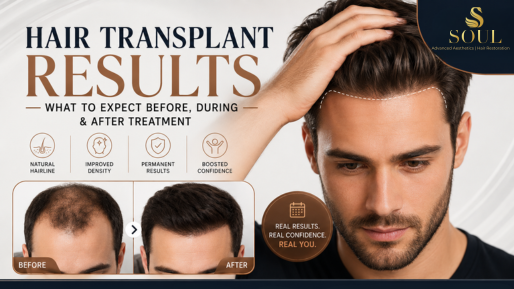
Hair Transplant Before and After Results
One of the most exciting parts of the hair restoration journey is seeing the gradual transformation over time. Before-and-after comparisons help patients understand what realistic improvement can look like.
What Improvements Can You Expect?
Most patients notice:
- A more defined hairline
- Increased hair density
- Better scalp coverage
- Improved facial balance
- A younger and fresher appearance
- Greater confidence in social and professional settings
The final result develops gradually as the transplanted follicles complete their growth cycle.
To see real patient transformations and understand what realistic hair transplant results can look like, visit our Hair Transplant Before and After page.
Why Every Patient Gets Different Hair Transplant Results
Many patients compare their results with celebrities, friends, or photos online. However, no two hair transplants are exactly the same.
Several factors explain why hair transplant results vary from person to person.
Genetics
Genetics influence hair thickness, growth rate, texture, and density. Some people naturally have thicker hair that creates the appearance of greater fullness.
Donor Density
A patient with a dense donor area usually has more grafts available for transplantation than someone with limited donor hair.
Hair Characteristics
Curly or wavy hair often creates better visual coverage than very straight hair. Hair color contrast with the scalp also affects how dense the hair appears.
Healing Response
Some patients heal quickly and experience excellent graft survival, while others may heal more slowly. Individual healing ability influences the final outcome.
Existing Hair
Patients who still have some natural hair in the recipient area often achieve better overall density because transplanted hair blends with existing hair.
Expectations
Unrealistic expectations can lead to disappointment even when the procedure is technically successful. A good clinic focuses on achievable, natural-looking improvement rather than promising perfection.
At Soul Aesthetic, we discuss expected outcomes honestly before treatment so patients understand what can realistically be achieved.
How to Improve Your Hair Transplant Results
While surgical skill is extremely important, patients also play an active role in the success of their treatment. Following healthy habits can support better healing and stronger long-term hair transplant results.
Follow Aftercare Carefully
Use the prescribed medications, wash your scalp as instructed, and avoid scratching or rubbing the treated area.
Avoid Smoking
Smoking can reduce blood flow to healing tissues and may affect graft survival. Avoiding smoking during recovery is strongly recommended.
Eat a Protein-Rich Diet
Hair is primarily made of protein. Include adequate protein, iron, zinc, and other essential nutrients in your diet to support healthy hair growth.
Protect Your Scalp
Avoid direct sun exposure during the early healing phase and follow your specialist’s recommendations regarding hats and outdoor activities.
Attend Follow-Up Appointments
Regular follow-up visits allow your specialist to monitor healing and address any concerns early.
Use Additional Treatments Only If Advised
Some patients may benefit from treatments such as PRP therapy or medications to support existing hair. Use these treatments only under professional guidance.
Choosing an experienced clinic is one of the best ways to improve your chances of achieving natural-looking hair transplant results. If you’re evaluating whether the procedure is appropriate for you, read our detailed guide on Is Hair Transplant Safe.
Hair Transplant Results: Myths vs Facts
Many people hesitate to undergo a hair transplant because of myths they read online or hear from others. Understanding the facts helps you make an informed decision and develop realistic expectations about hair transplant results.
| Myth | Fact |
| Hair transplant results are visible immediately. | New hair grows gradually, and most patients see noticeable improvement after 3–4 months. Final results usually appear between 12 and 18 months. |
| Hair transplants work the same for everyone. | Every patient is different. Donor hair quality, genetics, scalp condition, and healing all influence the final outcome. |
| Hair transplant surgery always looks fake. | Modern techniques such as FUE can create natural-looking hairlines when performed by experienced specialists. |
| More grafts always mean better results. | Strategic placement and proper hairline design are more important than simply transplanting a large number of grafts. |
| Once transplanted, you never need to care for your hair again. | Healthy hair care, regular follow-ups, and maintaining your overall scalp health help preserve long-term results. |
| Hair transplant is only for men. | Women experiencing suitable types of hair loss may also benefit from a hair transplant after proper evaluation. |
Understanding these facts helps patients approach treatment with confidence and realistic expectations instead of relying on misinformation.
Why Choose Soul Aesthetic for Hair Transplant Results?
Choosing the right clinic is one of the most important decisions in your hair restoration journey. The quality of planning, surgical technique, and post-treatment care can significantly influence your hair transplant results.
At Soul Aesthetic, we focus on delivering natural-looking outcomes rather than simply increasing hair density. Every treatment plan is personalized because every patient’s hair loss pattern, scalp condition, and goals are unique.
Personalized Hair Restoration Plans
No two patients experience hair loss in the same way.
Our specialists carefully assess:
- Hair loss pattern
- Donor hair quality
- Hair density
- Scalp health
- Facial proportions
- Long-term goals
This detailed evaluation allows us to recommend a treatment plan designed specifically for your needs.
Advanced Hair Transplant Techniques
We use modern hair restoration techniques that prioritize:
- Natural hairline design
- Precise graft placement
- Healthy graft survival
- Balanced hair density
- Minimal scarring
Our goal is to restore your hair in a way that blends naturally with your existing hair.
Patient-Centered Care
Your journey doesn’t end after the procedure.
We provide detailed aftercare instructions and regular follow-up support to monitor your progress throughout the recovery process.
Our team is always available to answer questions and guide you through every stage of healing.
Honest Expectations
At Soul Aesthetic, we believe every patient deserves honest advice.
Instead of promising unrealistic outcomes, we explain:
- Expected recovery timeline
- Hair growth stages
- Possible limitations
- Long-term maintenance
This transparent approach helps patients feel confident throughout their hair restoration journey.
If you’d like to discuss your hair concerns with our specialists, visit our Contact Us page to schedule a consultation.
Conclusion
Achieving successful hair transplant results is a journey that requires patience, expert planning, and proper aftercare. While the procedure offers a long-term solution for many people experiencing hair loss, the final outcome depends on several factors, including donor hair quality, the surgeon’s expertise, individual healing, and commitment to post-operative care.
Understanding the recovery timeline helps set realistic expectations. Most patients begin seeing new hair growth within a few months, while the full transformation usually becomes visible after 12 to 18 months. During this period, following your specialist’s advice and maintaining healthy lifestyle habits can make a meaningful difference.
At Soul Aesthetic, we combine advanced hair restoration techniques with personalized treatment planning to help patients achieve natural-looking, long-lasting results. From your initial consultation to post-treatment follow-ups, our team is committed to guiding you through every step of your hair restoration journey.
If you’re considering a hair transplant or would like to understand which treatment is right for you, our specialists are here to help you make an informed decision with confidence.
Q1. How long after a hair transplant will I see results?
Ans. Most patients notice new hair growth after 3 to 4 months. Significant improvement is usually visible between 6 and 9 months, while final results typically develop within 12 to 18 months.
Q2. Does hair transplant 100% work?
Ans. No medical procedure can guarantee a 100% success rate. However, experienced specialists, healthy donor hair, and proper aftercare greatly improve the chances of achieving successful hair transplant results.
Q3. Are hair transplant results permanent?
Ans. Transplanted hair follicles are generally resistant to the hormone responsible for common pattern baldness, making the results long-lasting. However, your existing natural hair may continue to thin over time.
Q4. Why does transplanted hair fall out after surgery?
Ans. Temporary shedding, known as shock loss, is a normal part of the recovery process. The transplanted follicles remain healthy beneath the skin and begin producing new hair after a few months.
Q5. Can I speed up my hair transplant results?
Ans. Hair growth follows a natural biological cycle, so it cannot be rushed. Following your specialist’s aftercare instructions, eating a balanced diet, and maintaining a healthy lifestyle can support healthy hair growth.
Q6. Why are my results different from someone else’s?
Ans. Every patient has unique genetics, donor hair quality, scalp condition, healing ability, and hair characteristics. These factors influence individual hair transplant results.
Q7. Can women achieve good hair transplant results?
Ans. Yes. Women with suitable types of hair loss may benefit from a hair transplant after a thorough consultation and scalp assessment.