
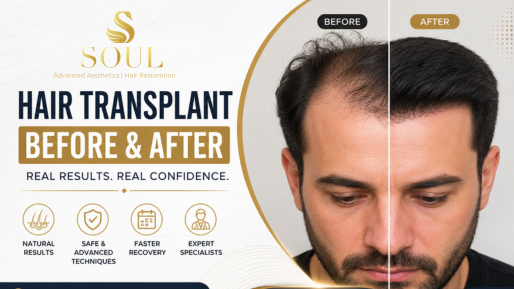
Hair loss can affect more than just your appearance—it can also impact your confidence and self-esteem. Whether you’re experiencing a receding hairline, thinning hair, or pattern baldness, understanding the hair transplant before and after journey is essential before choosing treatment. A successful hair transplant isn’t just about restoring hair; it’s about achieving natural-looking results that complement your facial features and improve your overall confidence.
At Soul Aesthetic, we understand that every patient’s hair loss pattern is unique. That’s why our specialists create personalized treatment plans using advanced hair restoration techniques to help patients achieve safe, natural, and long-lasting results. From your first consultation to your final follow-up, our team guides you through every step of the journey with expert care and transparent advice.
In this guide, you’ll learn who is an ideal candidate for a hair transplant, what to expect before and after the procedure, why results vary from person to person, essential care tips, common myths, and how Soul Aesthetic helps patients achieve successful outcomes.
Who Is the Ideal Candidate for a Hair Transplant?
If you’re unsure whether a hair transplant is the right solution for your hair loss, our specialists at Soul Aesthetic can help you choose the most suitable treatment based on your scalp condition, hair loss pattern, and long-term goals. In some cases, non-surgical options may be recommended before considering surgery. Explore our comprehensive Hair Treatments to learn about the advanced solutions available for restoring healthy, fuller-looking hair.
Men with Male Pattern Baldness
Male pattern baldness, also known as androgenetic alopecia, is the most common reason patients seek hair transplantation. It typically begins with a receding hairline or thinning around the crown before progressing to more noticeable bald areas.
Men with stable hair loss and a healthy donor area often achieve excellent results because the transplanted follicles are taken from areas that are naturally resistant to hair loss. Our specialists carefully assess the pattern and progression of hair loss to design a hairline that looks natural and complements your facial structure.
Women with Localized Hair Thinning
Although hair transplantation is commonly associated with men, many women can also benefit from the procedure. Women experiencing localized hair thinning, widening of the hair part, or hairline recession may be suitable candidates if they have sufficient donor hair.
At Soul Aesthetic, our experts perform a detailed scalp examination to identify the underlying cause of hair loss before recommending surgery. In some cases, non-surgical treatments may be advised before considering transplantation.
Individuals with Stable Hair Loss
Hair transplantation is generally recommended for individuals whose hair loss has stabilized. If hair loss is still progressing rapidly, additional medical treatments may be necessary to control further thinning before surgery.
By treating stable hair loss, our specialists can create a treatment plan that provides long-lasting and predictable results while preserving donor hair for future needs if required.
Patients with Healthy Donor Hair
The donor area, usually located at the back and sides of the scalp, plays a vital role in the success of a hair transplant. Healthy, dense donor hair allows the surgeon to harvest strong follicles capable of producing natural and permanent hair growth in the recipient area.
During your consultation, our specialists carefully evaluate donor hair density, texture, thickness, and scalp health to determine the number of grafts that can be safely transplanted.
People with Realistic Expectations
A successful hair transplant enhances your appearance by restoring hair naturally—it does not create unrealistic density or instantly reverse years of hair loss.
At Soul Aesthetic, we believe in transparent communication. During your consultation, our team explains what results you can realistically expect based on your hair loss stage, donor availability, and overall scalp condition. This honest approach helps patients make informed decisions and achieve greater satisfaction with their results.
Conditions Before Hair Transplant
The preparation phase is one of the most important parts of the hair transplant before and after the journey. Careful planning helps improve the success of the procedure, minimizes potential complications, and ensures that the transplanted follicles have the best possible environment for healthy growth.
Before recommending surgery, the specialists at Soul Aesthetic conduct a thorough evaluation to understand your medical history, hair loss pattern, scalp health, and treatment goals.
Comprehensive Hair Loss Assessment
Every successful hair transplant begins with an accurate diagnosis.
During your consultation, the specialist evaluates:
- The pattern and severity of hair loss
- Existing hair density
- Scalp condition
- Family history of baldness
- Previous hair restoration treatments
- Future risk of hair loss
This assessment allows the doctor to estimate the number of grafts required and determine the most suitable treatment approach for achieving natural-looking results.
Donor Area Evaluation
The donor area provides the healthy follicles that are transplanted into areas affected by hair loss. Its condition directly influences the quality of the final outcome.
Your specialist carefully examines:
- Hair density
- Hair thickness
- Hair texture
- Scalp flexibility
- Follicle quality
A healthy donor area increases the likelihood of achieving fuller coverage while maintaining a natural appearance at the extraction site.
Medical Examination Before Hair Transplant
Patient safety is always the top priority.
Before the procedure, your doctor reviews your complete medical history to identify any conditions that may affect healing or surgery.
The evaluation may include:
- Blood pressure assessment
- Diabetes screening
- Thyroid health
- Autoimmune conditions
- Bleeding disorders
- Current medications
- Allergies
- Previous surgeries
If necessary, additional tests may be recommended to ensure that you are medically fit for the procedure.
Hairline Planning and Facial Analysis
Designing a natural-looking hairline requires both scientific precision and artistic expertise.
Instead of creating an artificially straight or low hairline, our specialists consider several factors, including:
- Facial symmetry
- Forehead proportions
- Age
- Existing hair pattern
- Future hair loss progression
- Ethnic facial characteristics
A carefully planned hairline ensures that your results continue to look natural even as you age.
Lifestyle Changes Before Hair Transplant
Simple lifestyle adjustments before surgery can significantly improve healing and graft survival.
Patients are generally advised to:
- Avoid smoking for several days before surgery
- Refrain from consuming alcohol before the procedure
- Stay well hydrated
- Eat a nutritious meal before arriving at the clinic
- Wash the scalp with the recommended shampoo
- Wear comfortable clothing that opens from the front
- Inform the doctor about any medications or supplements
Following these recommendations helps create the ideal conditions for a smooth procedure and recovery.
Personalized Consultation at Soul Aesthetic
One of the biggest advantages of choosing Soul Aesthetic is our patient-first approach.
Rather than offering a standard treatment plan, we carefully evaluate your hair loss condition, discuss your expectations, explain every stage of the procedure, and answer all your questions before recommending surgery.
A successful hair transplant begins with proper preparation and expert evaluation. At Soul Aesthetic, we ensure every patient receives a personalized consultation and treatment plan to maximize safety and results. If you’re wondering whether the procedure is suitable for you, read our detailed guide on Is Hair Transplant Safe? to understand the benefits, risks, and precautions before making your decision.
You can also explore our complete range of Hair Treatments to learn about non-surgical and surgical options available at Soul Aesthetic.
Conditions After Hair Transplant
The recovery process varies from person to person, but temporary redness, swelling, scabbing, and shock loss are all common stages of healing. Following your specialist’s aftercare instructions can help ensure a smooth recovery and healthy hair growth. To learn more about what to expect during the healing process, read our guide on Hair Transplant Side Effects.
At Soul Aesthetic, we provide every patient with detailed post-operative instructions and continuous follow-up care to ensure healthy healing and optimal hair growth. Our specialists closely monitor your progress and guide you through each stage of recovery, helping you achieve the best possible hair transplant before and after results with a natural-looking, long-lasting transformation.
First 24 to 72 Hours After Hair Transplant
The first few days are dedicated to healing. During this time, the newly transplanted grafts begin settling into the scalp.
It is completely normal to experience:
- Mild redness around the transplanted area
- Slight swelling on the forehead or scalp
- Tiny scabs around each graft
- Mild tenderness or tightness
- Minimal discomfort controlled with prescribed medication
These symptoms are temporary and usually begin improving within a few days.
What Should You Avoid?
To protect the newly implanted grafts, avoid:
- Touching or scratching your scalp
- Heavy exercise or gym workouts
- Smoking and alcohol
- Direct sunlight
- Wearing tight caps or helmets
- Sleeping flat on your stomach
Following these precautions helps improve graft survival and reduces the risk of complications.
First Week After Hair Transplant
By the end of the first week, the scalp begins healing more noticeably.
Most patients experience:
- Reduced swelling
- Less redness
- Healing of donor area
- Formation and gradual removal of small scabs
Although the scalp looks healthier, don’t expect visible hair growth yet. The transplanted follicles are still adapting beneath the skin.
At Soul Aesthetic, we schedule follow-up consultations to monitor your healing and ensure everything is progressing as expected.
One Month After Hair Transplant
One of the most common concerns during the first month is shock loss.
Many patients notice that the transplanted hairs begin falling out and worry that the procedure has failed.
In reality, this is a completely normal stage.
What Is Shock Loss?
Shock loss is a temporary shedding of transplanted hair shafts while the follicles remain healthy beneath the skin.
This occurs because:
- Hair follicles enter a resting phase.
- The scalp is recovering from surgery.
- New hair growth is preparing to begin.
The follicles stay alive and will begin producing new hair in the coming months.
Three Months After Hair Transplant
Around the third month, patients usually notice the first signs of new growth.
During this stage you may observe:
- Fine baby hairs emerging
- Early improvement in the hairline
- Increased scalp coverage
- Reduced visibility of bald areas
The new hairs are often thin, soft, and lighter in color. This is perfectly normal, as they gradually become thicker over time.
Six Months After Hair Transplant
The six-month mark is considered a major milestone in the hair transplant before and after journey.
Most patients experience:
- Noticeably improved density
- Stronger hair shafts
- Better scalp coverage
- More defined hairline
- Easier hair styling
By this stage, approximately 60–70% of the final results may already be visible, although individual recovery varies.
Twelve Months After Hair Transplant
Most patients achieve their final results within 12 months.
By this stage, the transplanted hair:
- Looks completely natural
- Continues growing like your own hair
- Can be cut, washed, and styled normally
- Blends seamlessly with existing hair
Some patients, especially those with curly hair or larger transplant sessions, may continue seeing improvements for several more months.
At Soul Aesthetic, we continue supporting patients throughout this period, ensuring that every stage of recovery is monitored professionally.
Hair Transplant Before and After Photo
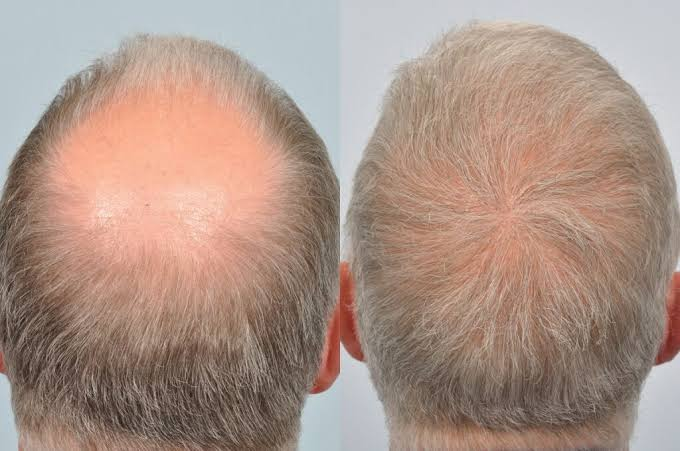
Before and After Care Tips for Better
Before:
Preparing your body before surgery creates the ideal environment for successful healing.
Inform Your Doctor About Medical Conditions
Share your complete medical history, including any medications, supplements, allergies, or existing health conditions. This helps your specialist plan the safest treatment approach.
Avoid Smoking and Alcohol
Smoking reduces blood circulation, while alcohol may increase bleeding during surgery. Avoiding both before the procedure supports better healing and healthier graft survival.
Eat a Balanced Diet
Protein, vitamins, and minerals are essential for healthy hair growth. Include foods rich in iron, zinc, vitamin D, biotin, and vitamin C in your diet before surgery.
Stay Hydrated
Proper hydration supports your body’s healing process and contributes to overall recovery.
Get Adequate Rest
A good night’s sleep before surgery helps reduce stress and prepares your body for the procedure.
After:
Proper aftercare is just as important as the surgery itself.
Follow Washing Instructions
Only wash your scalp according to your doctor’s recommendations. Using the correct technique protects newly implanted grafts during the healing phase.
Avoid Scratching the Scalp
Itching is common while healing, but scratching can damage newly transplanted follicles.
Protect Your Scalp
Avoid direct sunlight, dust, pollution, and accidental trauma during the first few weeks.
Avoid Heavy Exercise
Intense workouts increase sweating and blood pressure, which may interfere with healing. Resume exercise only after receiving approval from your specialist.
Attend Follow-Up Appointments
Regular follow-up visits allow your doctor to monitor recovery and ensure healthy graft growth.
Foods That Support Hair Growth After Hair Transplant
Although nutrition cannot replace proper surgical technique, it plays an important role in supporting recovery.
Include foods such as:
- Eggs
- Fish rich in Omega-3
- Leafy green vegetables
- Nuts and seeds
- Citrus fruits
- Lentils
- Dairy products
These foods provide essential nutrients that support healthy hair growth and overall healing.
Why Every Patient Gets Different Hair Transplant Results
One of the biggest misconceptions about hair transplant before and after results is that every patient will achieve the same outcome. In reality, no two hair transplant journeys are identical. While modern techniques can deliver outstanding and natural-looking results, the final outcome depends on several individual factors.
At Soul Aesthetic, we believe in setting realistic expectations. During your consultation, our specialists evaluate your hair loss pattern, scalp condition, donor hair quality, and overall health before recommending a personalized treatment plan. This patient-focused approach helps maximize the chances of achieving successful, long-lasting results.
Donor Hair Quality
The donor area, usually located at the back and sides of the scalp, provides the hair follicles used during transplantation.
Patients with dense, healthy donor hair generally achieve better coverage because more high-quality follicles are available for transplantation. On the other hand, limited donor hair may require careful planning to create the most natural appearance.
Extent of Hair Loss
The severity of hair loss significantly affects the final outcome.
Patients with mild to moderate hair loss often require fewer grafts and may achieve higher overall density. Those with advanced baldness may need a larger number of grafts or multiple sessions to restore adequate coverage.
At Soul Aesthetic, every treatment plan is customized according to the stage of hair loss to ensure balanced and realistic results.
Hair Thickness and Texture
Hair characteristics influence how dense the final results appear.
For example:
- Thick hair generally provides better visual coverage.
- Curly or wavy hair often creates the appearance of greater density.
- Fine hair may require more grafts to achieve similar coverage.
These natural variations are considered while designing your treatment plan.
Surgeon’s Expertise
Hair transplantation is both a medical procedure and an artistic process.
The surgeon’s experience affects:
- Hairline design
- Graft placement
- Hair growth direction
- Density planning
- Natural appearance
At Soul Aesthetic, every procedure is performed with careful planning and precision to create results that blend naturally with your existing hair.
Following Aftercare Instructions
Even the most successful procedure requires proper aftercare.
Patients who carefully follow post-operative instructions generally experience:
- Better healing
- Higher graft survival
- Faster recovery
- Healthier hair growth
Simple habits such as protecting the scalp, avoiding smoking, taking prescribed medications, and attending follow-up appointments can significantly improve the final outcome.
Overall Health and Lifestyle
Your body’s healing ability also affects recovery.
Factors such as:
- Nutrition
- Stress levels
- Sleep quality
- Smoking
- Chronic medical conditions
can all influence how quickly your scalp heals and how well the transplanted follicles grow.
Maintaining a healthy lifestyle supports both transplanted and existing hair over the long term.
Hair Transplant Before and After : Myths vs Facts
Hair transplantation has become increasingly popular, but many misconceptions still exist. Understanding the facts helps patients make informed decisions.
| Myth | Fact |
| Hair transplant results appear immediately. | Hair grows gradually, with most final results visible after 12 months. |
| Hair transplants always look unnatural. | Modern techniques create natural-looking hairlines when performed by experienced specialists. |
| Hair transplant surgery is extremely painful. | The procedure is performed under local anesthesia, making it comfortable for most patients. |
| Everyone achieves identical results. | Results vary based on donor hair, hair loss pattern, healing, and aftercare. |
| Hair transplants are only for men. | Suitable women with specific types of hair loss can also benefit from hair transplantation. |
| Once the surgery is over, no aftercare is needed. | Proper aftercare is essential for healthy healing and successful graft growth. |
Understanding these facts helps patients develop realistic expectations and approach treatment with confidence.
Why Choose Soul Aesthetic for Hair Transplant?
At Soul Aesthetic, we are committed to providing personalized care, advanced hair restoration techniques, and continuous support throughout your treatment journey. From your initial consultation to post-procedure follow-ups, our experienced specialists focus on delivering natural-looking results that enhance both your appearance and confidence. If you’re ready to take the next step, Contact Us today to schedule your personalized hair transplant consultation.
Personalized Consultation
Every patient receives a detailed consultation before treatment. Our specialists assess your scalp condition, donor hair, medical history, and expectations to recommend the most suitable solution.
Customized Treatment Plans
No two patients experience hair loss in the same way.
Instead of following a standard approach, we create personalized treatment plans designed specifically for your hair loss pattern and long-term goals.
Advanced Hair Restoration Techniques
We use modern hair transplant methods that focus on:
- Natural hairline design
- Maximum graft survival
- Minimal downtime
- Faster recovery
- Long-lasting results
Focus on Natural-Looking Results
A successful hair transplant should never look artificial.
Our specialists carefully place every graft according to the natural angle, direction, and density of your existing hair, ensuring a seamless and realistic appearance.
Patient Education and Transparency
We believe every patient deserves honest guidance.
During your consultation, we explain:
- Expected results
- Recovery timeline
- Possible limitations
- Post-operative care
- Long-term maintenance
This transparent approach helps patients make informed treatment decisions.
Comprehensive Aftercare Support
Our relationship with patients continues even after the procedure.
We provide detailed recovery guidance, follow-up appointments, and ongoing support to help you achieve the best possible results.
Conclusion
Choosing a hair transplant is a significant decision, and understanding the complete hair transplant before and after journey helps you approach the procedure with confidence. While the transformation doesn’t happen overnight, each stage—from consultation and preparation to recovery and hair growth—plays an essential role in achieving natural, long-lasting results.
Every patient is unique, which is why outcomes vary based on factors such as donor hair quality, hair loss pattern, overall health, and post-operative care. With realistic expectations, expert surgical techniques, and proper aftercare, a hair transplant can restore not only your hair but also your confidence.
At Soul Aesthetic, we are committed to providing personalized care, advanced hair restoration solutions, and honest guidance throughout your journey. Our experienced specialists focus on creating natural-looking hairlines and results that complement your facial features while prioritizing patient safety and satisfaction.