Hair fall has become one of the most common concerns among both men and women today. While losing a few strands daily is completely normal, continuous hair shedding, thinning, or visible scalp patches often indicate deeper scalp or health-related issues. Moreover, increasing stress levels, poor nutrition, hormonal imbalance, pollution, and unhealthy lifestyles continue to contribute to rising hair fall cases across all age groups.
Therefore, understanding how to reduce hair fall effectively requires more than temporary solutions or random internet remedies. Instead, identifying the root cause and following a medically guided treatment plan can help improve long-term scalp health and hair density. At SOUL by Dr. Freedom, hair restoration treatments focus on personalized diagnosis, natural-looking outcomes, and ethical patient care.
What Are the Main Causes of Hair Fall in Men and Women?
Hair fall usually develops due to multiple internal and external factors rather than a single issue. Therefore, understanding the exact cause becomes important before starting any treatment or hair care routine. Additionally, early diagnosis often helps prevent long-term thinning and permanent follicle damage.
Genetic Hair Loss
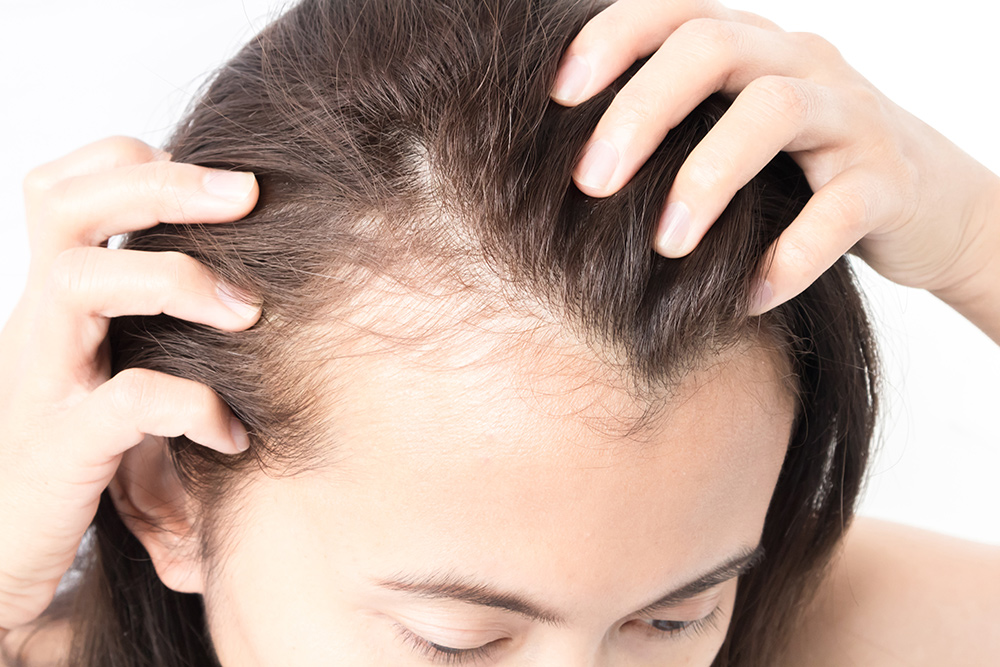
Genetics remains one of the leading causes of excessive hair fall and thinning. If baldness or hair thinning runs in the family, individuals may gradually notice reduced hair density, widening partitions, or receding hairlines over time. Moreover, hereditary hair loss can affect both men and women differently depending on hormonal sensitivity and follicle health.
In men, genetic hair loss usually starts around the temples and crown area. However, women commonly experience overall thinning across the scalp instead of complete bald patches. Therefore, early intervention becomes important for maintaining healthier hair density in the future.
Stress and Lifestyle Imbalance
Stress significantly affects the natural hair growth cycle. When stress hormones increase continuously, hair follicles may enter the resting phase prematurely, eventually causing increased shedding and weak hair growth. Furthermore, emotional stress, work pressure, lack of sleep, and anxiety can worsen scalp health over time.
Additionally, unhealthy lifestyle habits such as smoking, dehydration, excessive caffeine intake, and irregular eating patterns may weaken hair roots further. Therefore, improving daily lifestyle habits often becomes an important part of reducing hair fall naturally.
Nutritional Deficiencies
Healthy hair growth depends heavily on proper nutrition. Therefore, deficiencies in iron, protein, vitamin D, biotin, zinc, and omega-3 fatty acids may contribute to excessive shedding, dull hair texture, and weak follicles. Moreover, crash dieting and poor eating habits often reduce nutrient absorption, which further affects scalp nourishment.
Because hair follicles require consistent nutrition to remain active, maintaining a balanced diet becomes essential for stronger and healthier hair growth. In many cases, correcting nutritional deficiencies can significantly improve hair quality within a few months.
Hormonal Imbalance
Hormonal fluctuations commonly trigger hair fall, especially in women. Conditions such as PCOS, thyroid disorders, menopause, and pregnancy-related hormonal changes may directly affect hair density and scalp health. Similarly, hormonal sensitivity in men may also contribute to progressive thinning and follicle shrinkage.
Therefore, individuals experiencing sudden or unexplained hair loss should always consider hormonal evaluation as part of their diagnosis. Without proper treatment, hormonal hair fall may continue worsening gradually.
Scalp Infections and Dandruff
An unhealthy scalp environment weakens hair follicles and disrupts natural hair growth cycles. Persistent dandruff, fungal infections, scalp inflammation, and excessive oil buildup may contribute to continuous shedding and irritation. Additionally, scratching the scalp repeatedly may damage follicles further and increase breakage.
Therefore, maintaining scalp hygiene and seeking timely treatment for scalp conditions becomes extremely important for preventing long-term hair thinning.
Early Signs That Indicate Excessive Hair Fall
Recognizing early hair fall symptoms can help prevent severe thinning and advanced hair loss in the future. Although occasional shedding is normal, persistent symptoms should never be ignored.
Increased Hair Shedding During Washing or Combing
If you constantly notice excessive strands on your comb, pillow, or bathroom floor, your scalp may already be experiencing active hair fall. While mild shedding remains normal, continuous excessive loss often indicates underlying nutritional, hormonal, or scalp-related issues.
Visible Hair Thinning
Hair may gradually start appearing less dense near the crown area, partition line, or temples. Moreover, hairstyles may lose volume, making the scalp more visible under lighting.
Receding Hairline
Many men notice gradual recession around the forehead and temple regions during early hair loss stages. Therefore, seeking treatment early may help slow further progression.
Reduced Hair Volume
If ponytails feel thinner or overall hair fullness decreases noticeably, follicle activity may already be weakening. Additionally, reduced volume often develops before visible bald patches appear.
How to Reduce Hair Fall Naturally
Natural methods can help support healthier hair growth when followed consistently. However, the effectiveness of natural remedies often depends on the actual cause of hair fall and the overall scalp condition.
Maintain a Nutrient-Rich Diet
Hair health begins internally. Therefore, consuming nutrient-dense foods regularly can help strengthen hair follicles, improve scalp nourishment, and reduce excessive shedding naturally.
Eat Protein-Rich Foods
Hair primarily contains keratin protein. Therefore, including eggs, fish, chicken, lentils, paneer, yogurt, and beans in your daily diet may support stronger and healthier hair growth. Moreover, protein deficiency often weakens hair shafts and increases breakage.
Include Iron-Rich Foods
Iron helps improve oxygen supply to hair follicles. Therefore, spinach, beetroot, dates, legumes, and leafy vegetables may support healthier scalp circulation and stronger roots. Additionally, iron deficiency remains one of the most common causes of hair thinning in women.
Consume Omega-3 Fatty Acids
Omega-3 fatty acids help maintain scalp hydration and reduce inflammation. Foods such as walnuts, flaxseeds, chia seeds, and fatty fish may improve scalp health and hair texture gradually.
Improve Vitamin Intake
Biotin, zinc, vitamin D, and vitamin B-complex support healthy follicle function and hair growth cycles. Therefore, balanced nutrition remains extremely important for reducing hair fall naturally.
Improve Your Scalp Care Routine
A healthy scalp creates the right environment for stronger hair growth. Therefore, maintaining proper scalp hygiene becomes essential for preventing follicle damage and excessive shedding.
Use Mild Hair Products
Harsh shampoos containing excessive chemicals may strip natural oils and irritate the scalp. Therefore, using dermatologist-recommended products according to your scalp type can help maintain healthier follicles and scalp balance.
Avoid Excessive Heat Styling
Frequent straightening, blow drying, and curling weaken hair shafts and increase breakage significantly. Additionally, excessive heat damages hair proteins and reduces moisture retention over time.
Massage the Scalp Regularly
Scalp massages may improve blood circulation and support nutrient delivery to hair follicles. Moreover, gentle massage techniques may help reduce stress-related scalp tension and improve overall scalp relaxation.
Manage Stress Effectively
Stress management plays a major role in improving hair health. Because chronic stress affects hormone levels and follicle activity, reducing stress may help improve the natural hair growth cycle gradually.
Prioritize Better Sleep
The body repairs tissues during sleep, including scalp and follicle cells. Therefore, maintaining consistent sleep cycles supports healthier hair growth and scalp recovery.
Practice Relaxation Techniques
Yoga, meditation, breathing exercises, and regular physical activity may help reduce stress hormones naturally. Consequently, many individuals notice improvement in stress-related hair fall after improving mental wellness.
Medical Treatments That Help Reduce Hair Fall
While natural methods may support mild cases, medical treatments often become necessary when hair fall continues for several months or progresses rapidly. At SOUL by Dr. Freedom Hair Treatments, treatments focus on personalized diagnosis and scientifically guided restoration protocols.
PRP Therapy for Hair Fall
Platelet-Rich Plasma therapy has become one of the most popular non-surgical hair restoration treatments today. In this procedure, concentrated growth factors from the patient’s own blood are injected into the scalp to stimulate follicle activity naturally.
Benefits of PRP Therapy
PRP therapy may help reduce excessive shedding, improve hair thickness, and support healthier scalp circulation. Additionally, because the treatment uses the patient’s own plasma, it remains minimally invasive and widely preferred for early hair thinning cases.
Who Can Benefit From PRP?
Individuals experiencing mild to moderate thinning often benefit from PRP therapy. However, treatment suitability depends on scalp condition, follicle activity, and the underlying cause of hair fall.
GFC Hair Treatment
Growth Factor Concentrate therapy is an advanced regenerative treatment designed to improve scalp rejuvenation and follicle repair. Compared to conventional treatments, GFC focuses on purified growth factors that target weakened follicles more precisely.
Therefore, many individuals choose GFC treatment for improving scalp health, strengthening follicles, and supporting natural hair regrowth.
Mesotherapy for Hair Loss
Mesotherapy involves delivering vitamins, minerals, amino acids, and nutrients directly into the scalp through microinjections. Consequently, this treatment may improve scalp nourishment and support healthier follicle activity.
Advantages of Mesotherapy
Mesotherapy may help improve scalp hydration, reduce dryness, and strengthen hair roots gradually. Additionally, it often complements PRP and regenerative hair therapies effectively.
Hair Care Mistakes That Increase Hair Fall
Many individuals unknowingly worsen hair fall through poor hair care habits and inconsistent scalp management. Therefore, avoiding these mistakes becomes important for maintaining healthier hair growth.
Tight Hairstyles
Tight buns, ponytails, and braids create continuous tension on hair follicles. Over time, this tension may contribute to traction alopecia and permanent follicle weakening.
Overusing Hair Products
Using excessive styling gels, sprays, and harsh chemical treatments may irritate the scalp and weaken hair shafts. Additionally, frequent coloring and bleaching often increase dryness and breakage.
Ignoring Persistent Scalp Issues
Dandruff, itching, scalp inflammation, and fungal infections should never be ignored. Without proper treatment, scalp problems may gradually affect follicle health and hair density.
When Should You Consult a Hair Specialist?
Although mild seasonal shedding may improve naturally, persistent hair loss usually requires professional evaluation. Therefore, consulting a hair specialist early can help identify underlying issues before significant thinning occurs.
Signs You Should Seek Medical Guidance
- Hair fall continues for more than three months
- Bald patches become visible
- Hair density reduces rapidly
- Severe dandruff or scalp irritation develops
- Hair texture changes suddenly
- Family history of baldness exists
At SOUL by Dr. Freedom About Us, consultations focus on understanding each patient’s scalp condition, medical history, lifestyle factors, and long-term hair goals before recommending treatments.
Why Choose SOUL by Dr. Freedom for Hair Fall Treatment?
Choosing the right clinic plays a major role in achieving safer, healthier, and more natural-looking hair restoration results. Therefore, personalized treatment planning and ethical guidance remain essential parts of modern hair care.
Personalized Treatment Plans
At SOUL by Dr. Freedom, every patient receives customized treatment recommendations according to scalp condition, follicle health, hair density, and medical history. Because no two hair loss cases are exactly the same, individualized care becomes extremely important.
Advanced Non-Surgical Treatments
The clinic focuses on advanced non-surgical hair restoration procedures such as PRP therapy, GFC treatment, mesotherapy, and regenerative scalp therapies. Consequently, patients receive medically guided solutions designed for long-term scalp health improvement.
Ethical and Realistic Guidance
Instead of promising unrealistic results, the clinic focuses on transparent consultations, medically accurate information, and ethical treatment recommendations. Therefore, patients receive realistic expectations regarding treatment timelines, maintenance, and achievable outcomes.
Final Thoughts
Understanding how to reduce hair fall requires a combination of proper diagnosis, healthier lifestyle habits, nutritional support, scalp care, and medically guided treatments. While natural remedies may support early-stage hair health, persistent hair fall often requires professional attention and customized scalp therapies.
At SOUL by Dr. Freedom Contact Us, hair restoration treatments focus on long-term scalp health, natural-looking outcomes, and scientifically guided care. Therefore, individuals experiencing ongoing thinning or excessive shedding can benefit from personalized consultations, advanced treatment options, and ethical medical guidance designed specifically for their hair concerns.
FAQs
Q1. How much hair fall is normal daily?
Ans. Most individuals naturally lose around 50 to 100 hair strands daily. However, excessive shedding or visible thinning may indicate an underlying issue requiring medical evaluation.
Q2. Can stress-related hair fall grow back naturally?
Ans. Yes, stress-related hair fall often improves once stress levels reduce and scalp health improves. However, severe or prolonged shedding may still require professional treatment.
Q3. Does oiling stop hair fall completely?
Ans. Hair oil may improve scalp hydration temporarily, but it cannot treat hormonal, genetic, or medical causes of hair loss completely.
Q4. Is PRP safe for hair fall treatment?
Ans. PRP therapy is generally considered safe when qualified professionals perform it under proper medical protocols and hygienic conditions.
Q5. How long does hair fall treatment take to show results?
Ans. Most hair restoration treatments require consistency. Therefore, visible improvement may take several weeks to months depending on scalp condition and treatment type.